LUPHIION
Benevolent art-technology for deep rest.
The bedroom has changed. It is electrically active — continuously. Luphiion is the first passive architectural system designed to restore the conditions for genuine rest.
The bedroom has changed. It is electrically active — continuously. Luphiion is the first passive architectural system designed to restore the conditions for genuine rest.
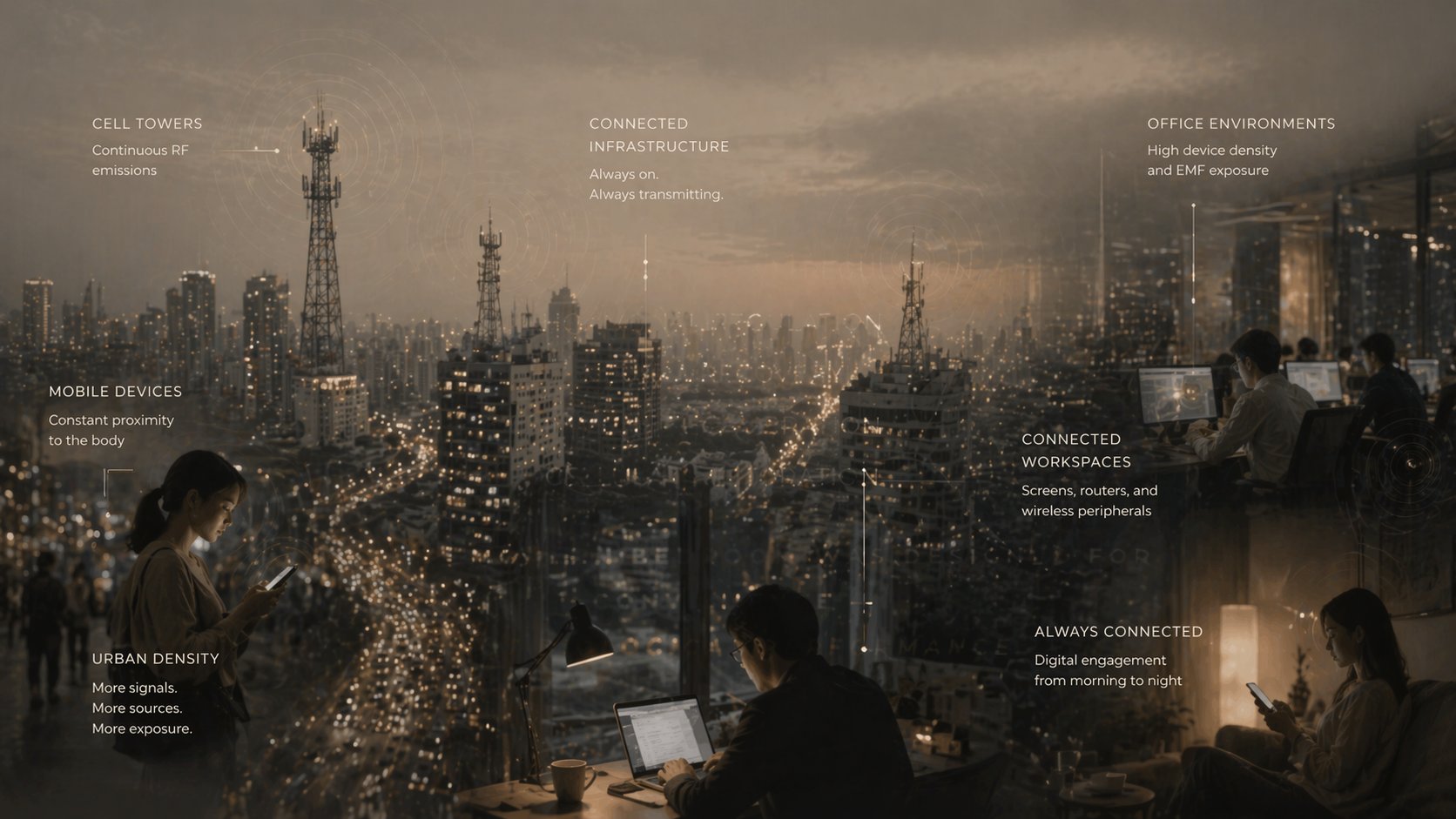
Wiring, Wi-Fi, cell towers, and the constant hum of connected devices create a background of electromagnetic activity that doesn't pause when we close our eyes. Sleep is the body's only true repair window — nervous system reset, hormonal regulation, cellular restoration. That window is being compressed by an environment we never chose.
"The greatest polluting element in the earth's environment is the proliferation of electromagnetic fields."
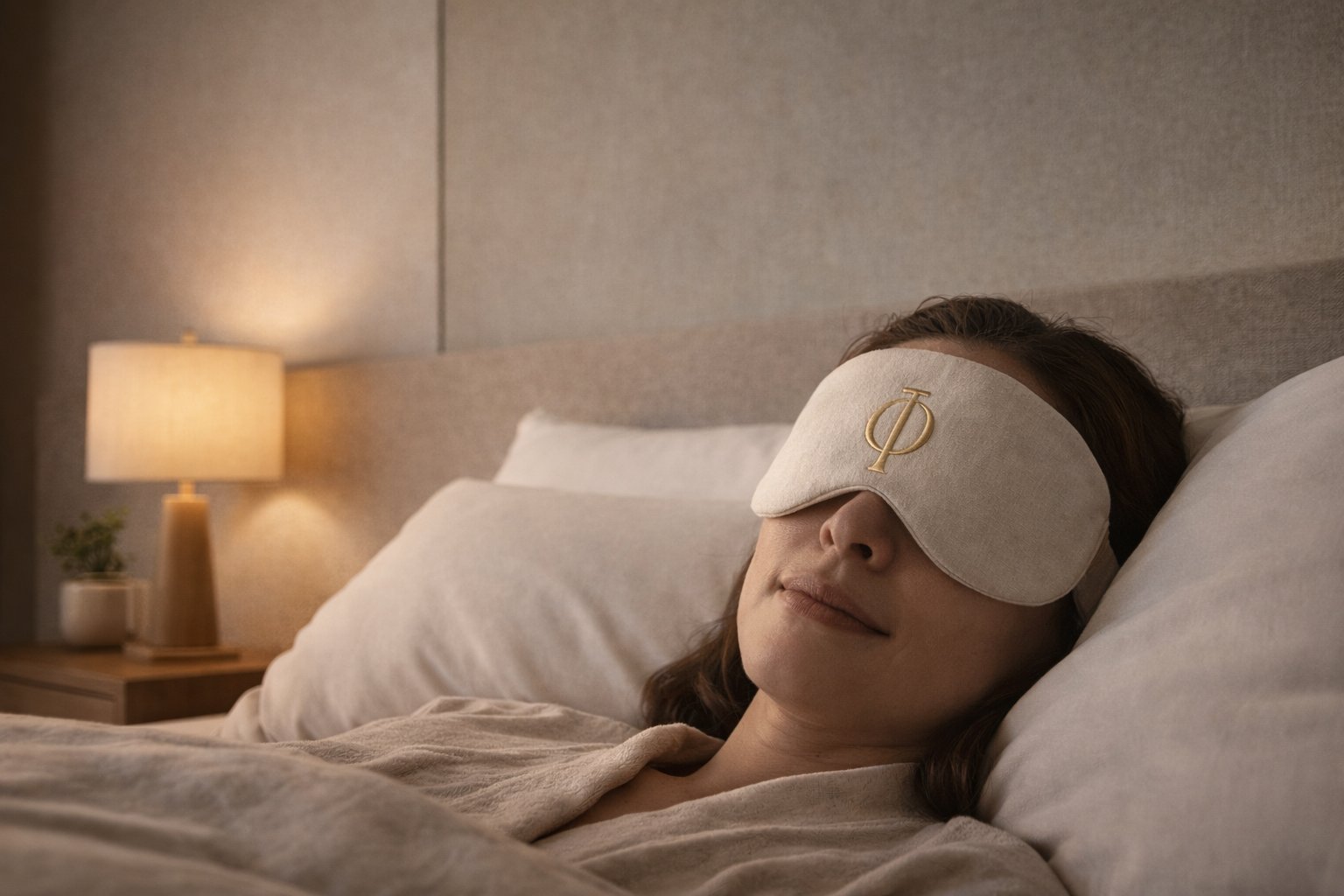
— all of which is being disrupted by unseen frequencies
Electromagnetic fields and radio frequency signals don't simply pass through a space and disappear. They interact with the materials around them — and in most bedrooms, those materials hold charge rather than release it.
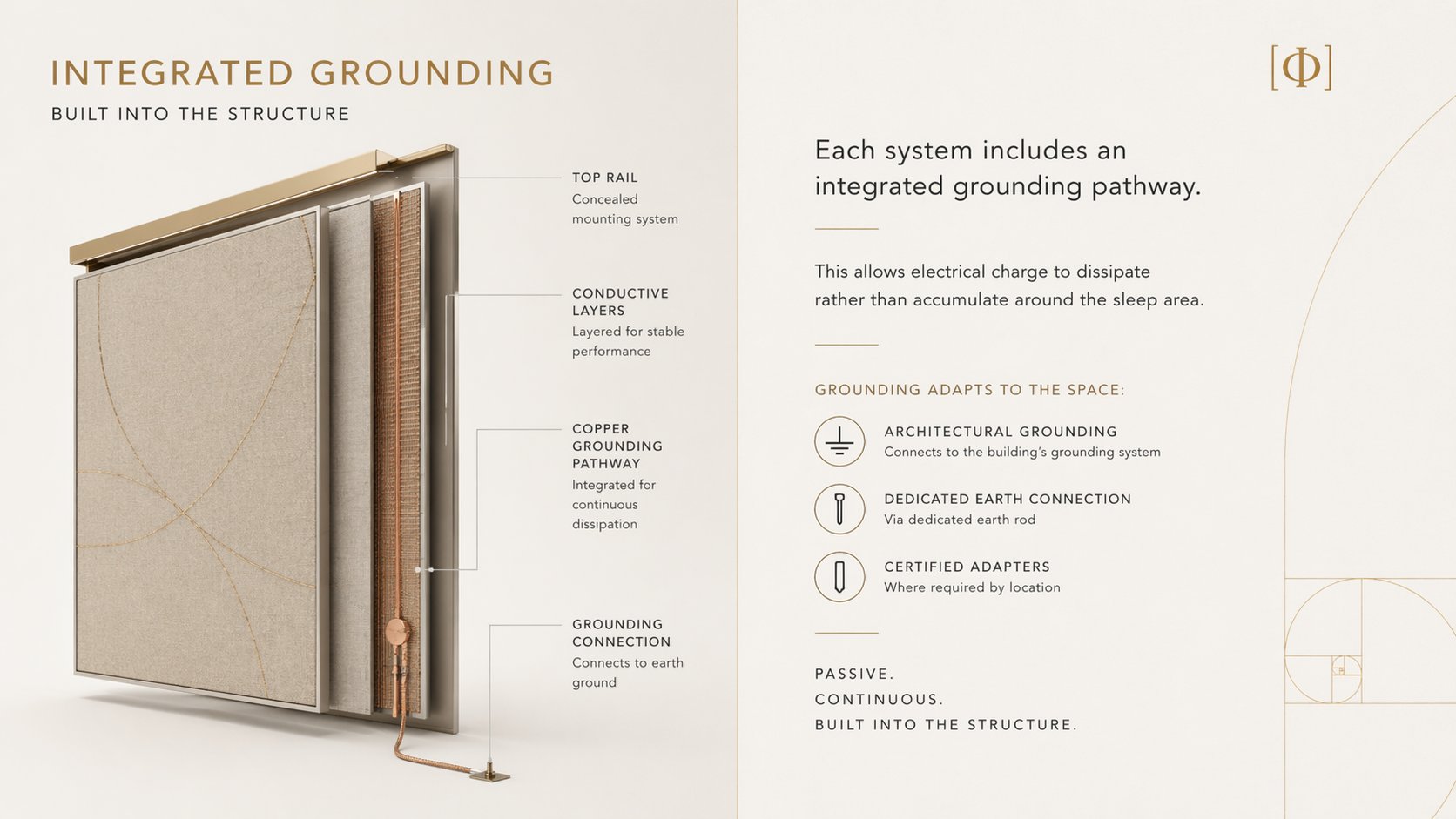
Luphiion works differently. The conductive layers within each system are architecturally connected to an integrated grounding pathway — a direct route to earth. When EMF and RF energy encounters the system, it has somewhere to go. The charge dissipates through the pathway rather than accumulating around the body during sleep.
No absorption. No blocking. Dissipation — by design.
Luphiion uses layered conductive textiles — woven with copper, silver, and gold — alongside an integrated grounding pathway that allows charge to dissipate rather than accumulate around the sleep area.
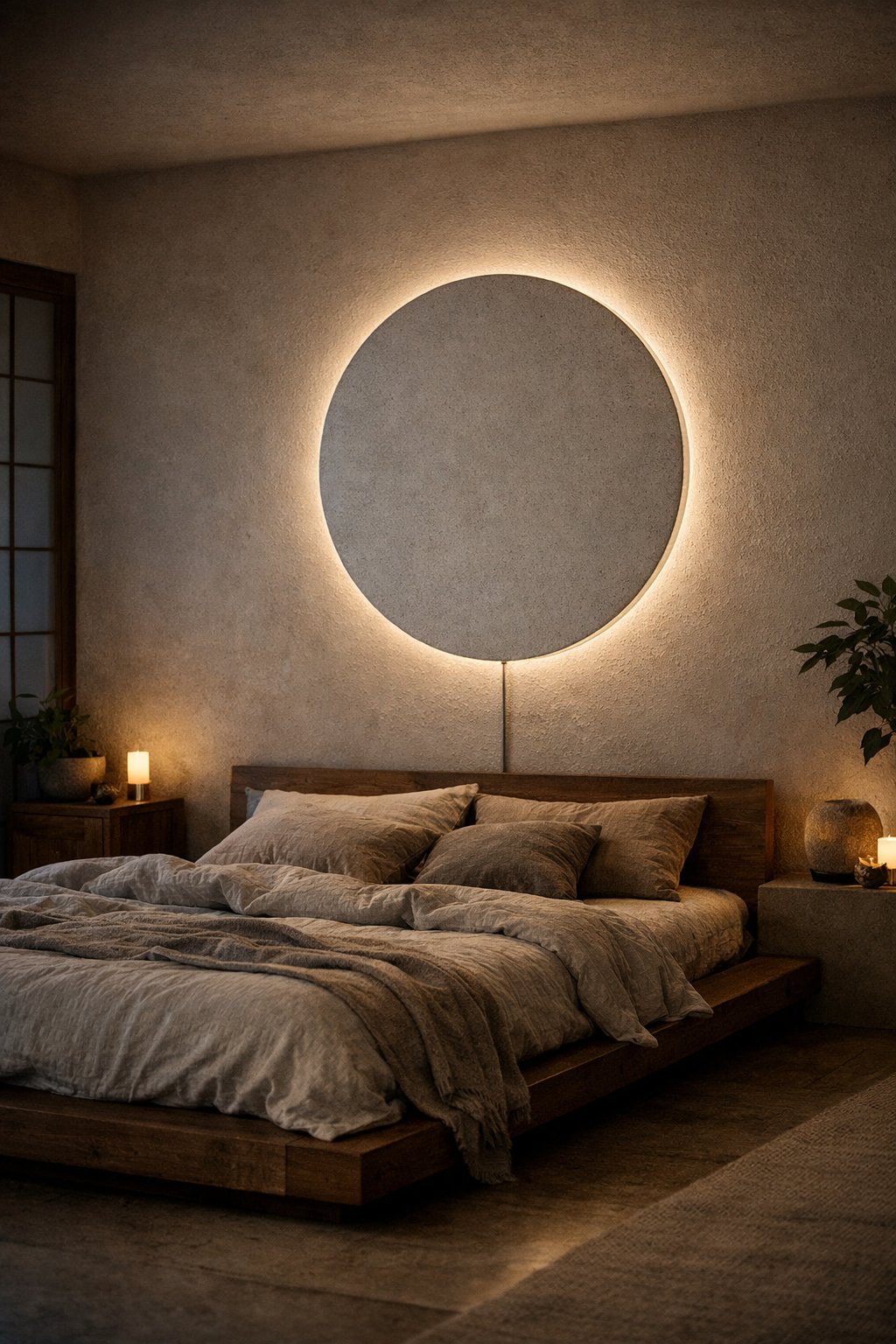
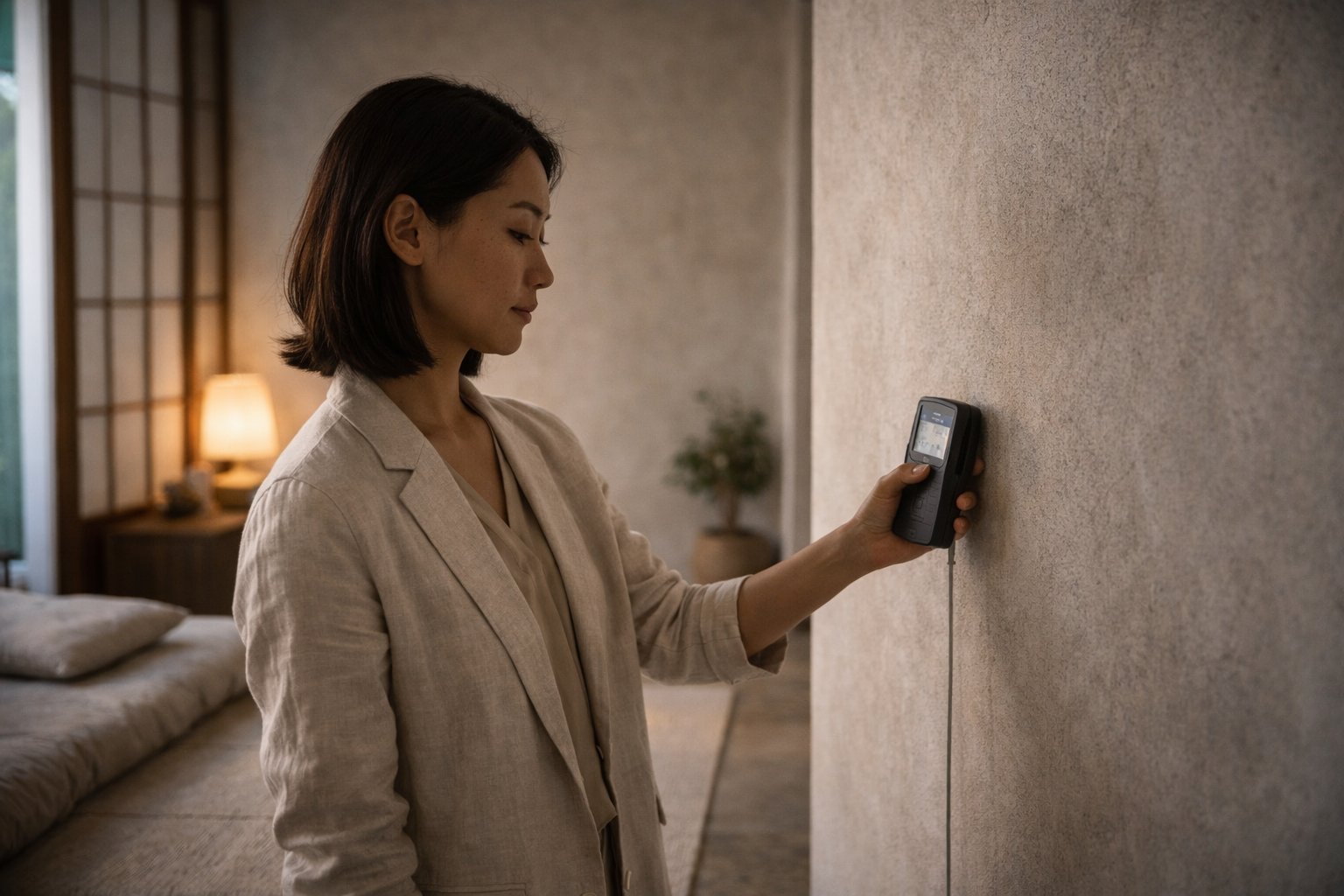
Installed behind or beside the bed. Defines a grounded surface across the primary sleep area. Layered conductive materials integrated with an earth connection — working continuously, invisible within the architecture.
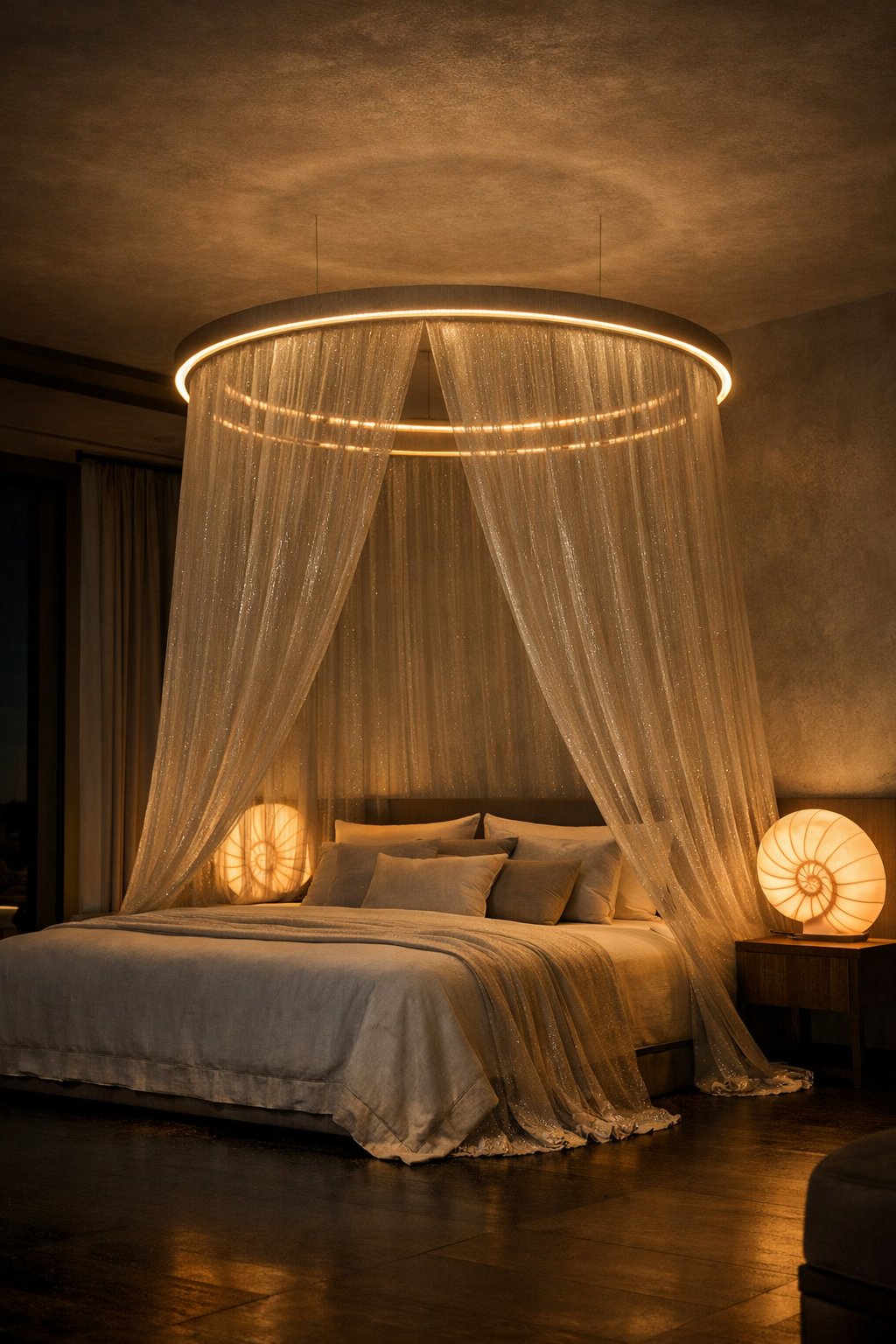
Suspended above the bed. Creates a contained boundary across the sleep zone. Layered textiles woven with precious metal fibres stabilise the immediate environment, forming a coherent field around the body during rest.
Those who have worked with grounding and EMF-conscious environments report consistent shifts — in sleep depth, nervous system regulation, and overall sense of restoration. These are their words.
"I started using an EMF shielding canopy six months ago after years of broken sleep. The difference in how deeply I rest now is something I can feel — not just measure."
"We installed grounding mats throughout our wellness retreat and guests began reporting spontaneously that something felt different about sleeping here. We hadn't told them anything had changed."
"As someone with high EMF sensitivity, finding ways to reduce my exposure has been life-changing. The quality of my sleep — and my nervous system — is simply not the same in a shielded space."
Testimonials reflect individual experience with EMF shielding and grounding products. Luphiion is currently in founding development phase.
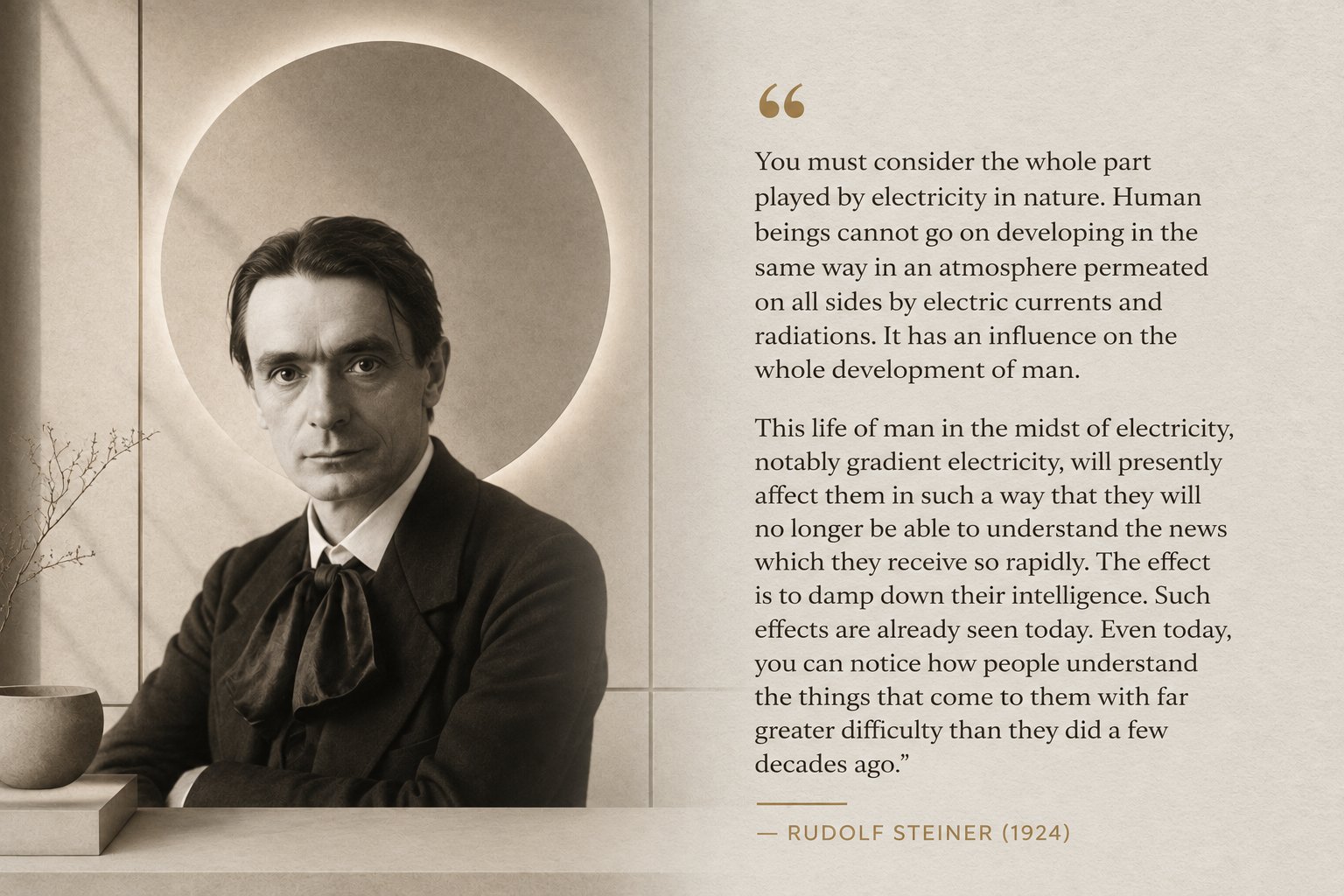
There are four kinds of electromagnetic exposure now recognised as harmful to human health: radiofrequency radiation, magnetic fields, dirty electricity, and electric fields.
"Our exposure — any given person, all humans are affected by EMFs. What is our exposure in a day? It's not one cell phone. It's cell phones, it's multiple wireless networks, it's smart meters, it's cell towers. It's this sandwich, and it all adds up."Dr. Sharon Goldberg · Internal Medicine Physician
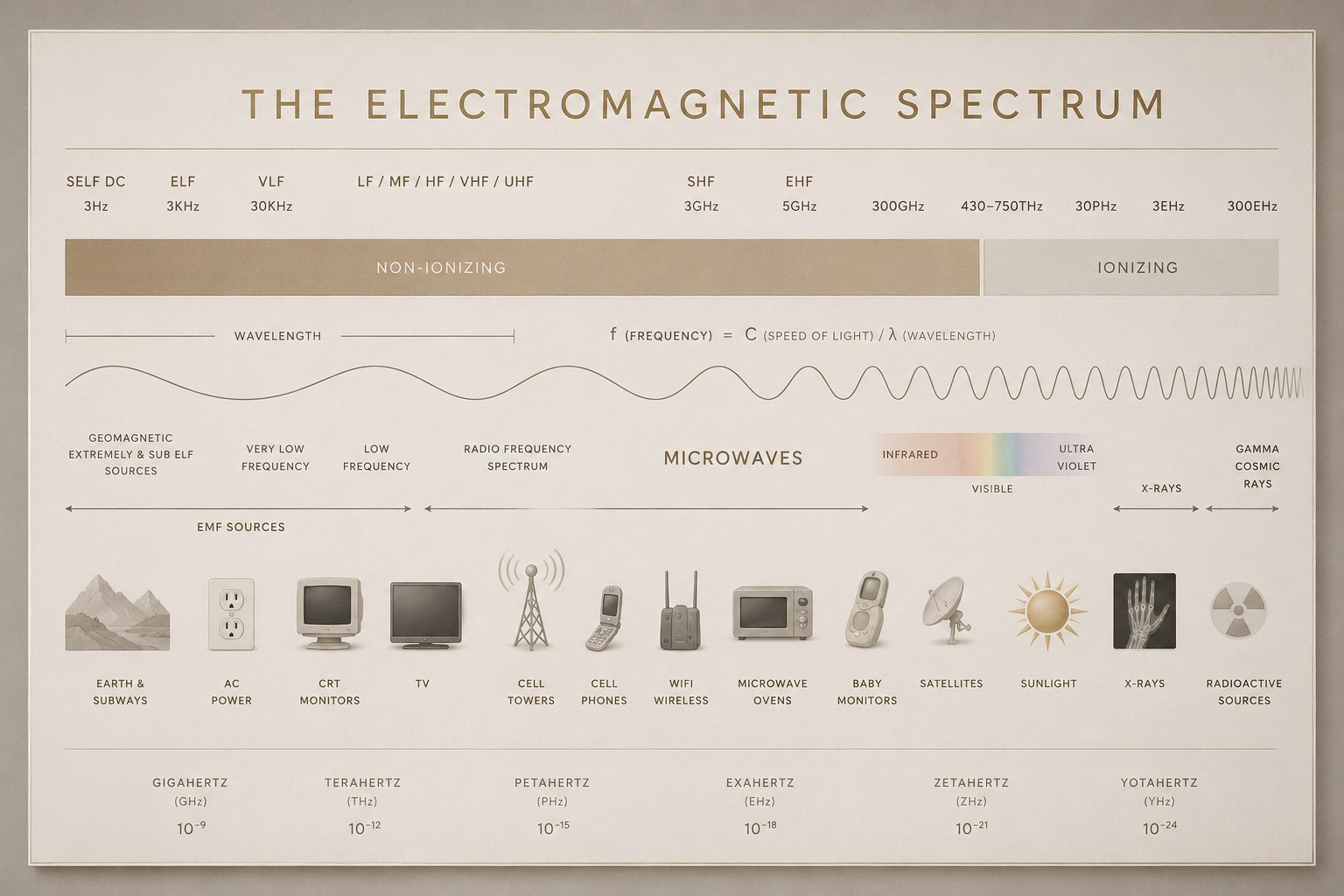
More than 250 scientists across dozens of countries have signed the International EMF Scientist Appeal, asking the United Nations and World Health Organization to adopt stronger exposure guidelines and to inform the public more clearly about the potential risks of electromagnetic field exposure. The appeal draws on decades of peer-reviewed research into non-ionizing radiation and its biological effects.
The U.S. National Toxicology Program completed a ten-year, roughly $25 million study — among the most extensive of its kind — and found a statistically significant increase in heart and brain tumors in male rats exposed to cell phone radiofrequency radiation over their lifetimes.
Italy's Ramazzini Institute independently ran a separate lifetime study on nearly 2,500 rats, using far lower, environmental-level exposures comparable to those from a cell tower rather than a handset. It found the same rare tumor types, at exposure levels below current legal limits.
Dirty electricity, also called electrical pollution, is high-frequency voltage transients riding along the 50 or 60 Hz electricity provided by the electric utilities. It is generated by arcing, by sparking and by any device that interrupts current flow, especially switching power supplies. It has been associated with cancer, diabetes and attention deficit hyperactivity disorder in humans. Epidemiological evidence also links dirty electricity to most of the diseases of civilization including cancer, cardiovascular disease, diabetes and suicide, beginning at the turn of the twentieth century.
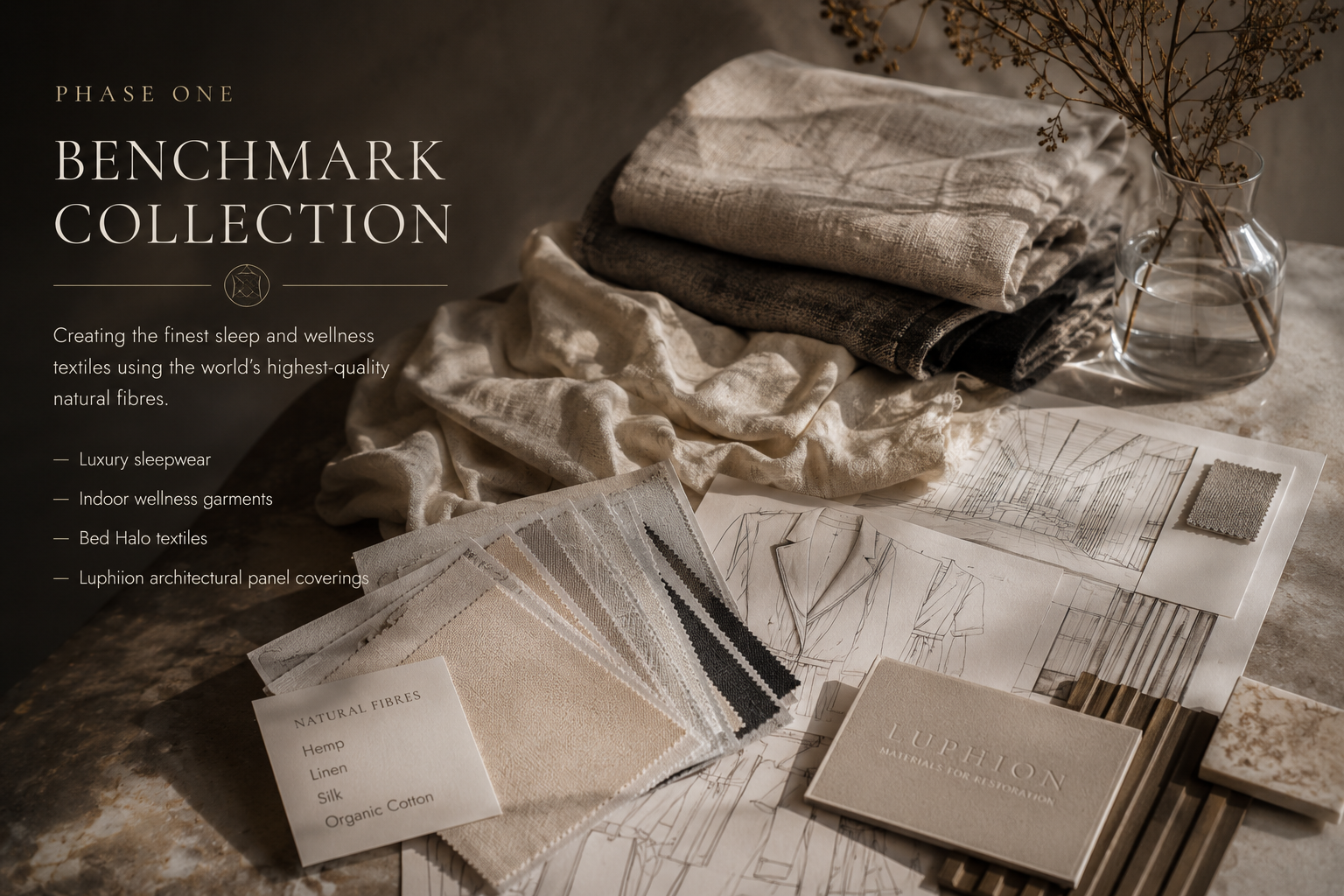
The Luphiion textile is not a single material — it is a layered architecture of conductive and absorptive fibres, each selected for its specific electrical and tactile properties. We are currently working through material shortlisting to identify the optimal combination of conductivity, durability, and aesthetic quality.
The textile must perform electrically — but it must also live in the most intimate space in the home. Softness, appearance, and longevity are non-negotiable alongside function.
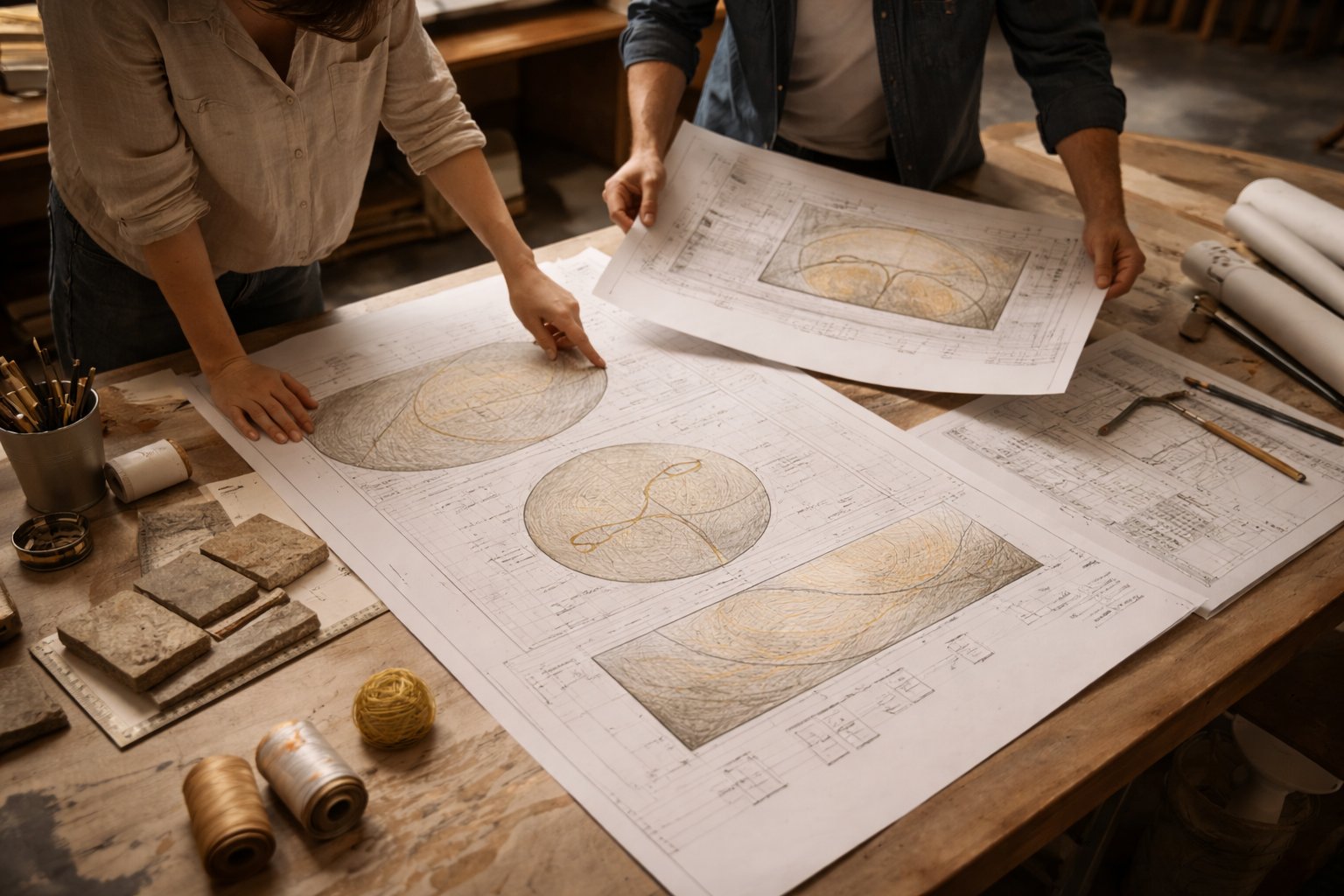


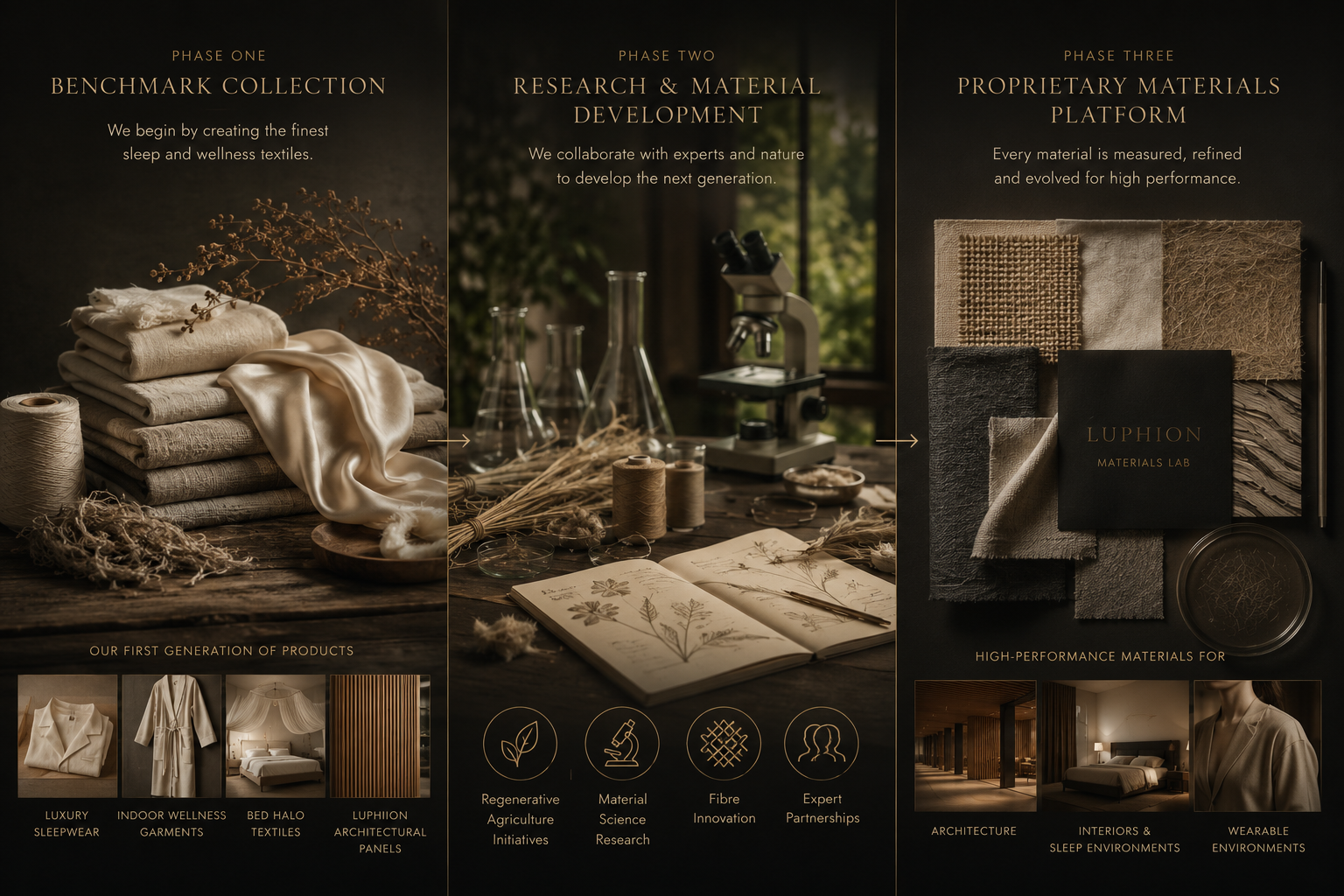
Luphiion starts in the bedroom because that is where the need is most acute. It does not end there.
The same layered architecture — conductive fibre, mineral treatment, integrated grounding — is being developed to move beyond the sleep system: into clothing worn against the skin, into retrofits for buildings already standing, into the walls of buildings not yet built.
The goal is not to shield the body from an electrical world. It is to make shielding, as an idea, obsolete — by building coherence directly into the materials we already live inside.
Every layer of the system is designed with the full range of the invisible environment in mind — radiofrequency, EMF, 5G, dirty electricity/EMI — not as a single threat to block, but as a set of conditions to design around.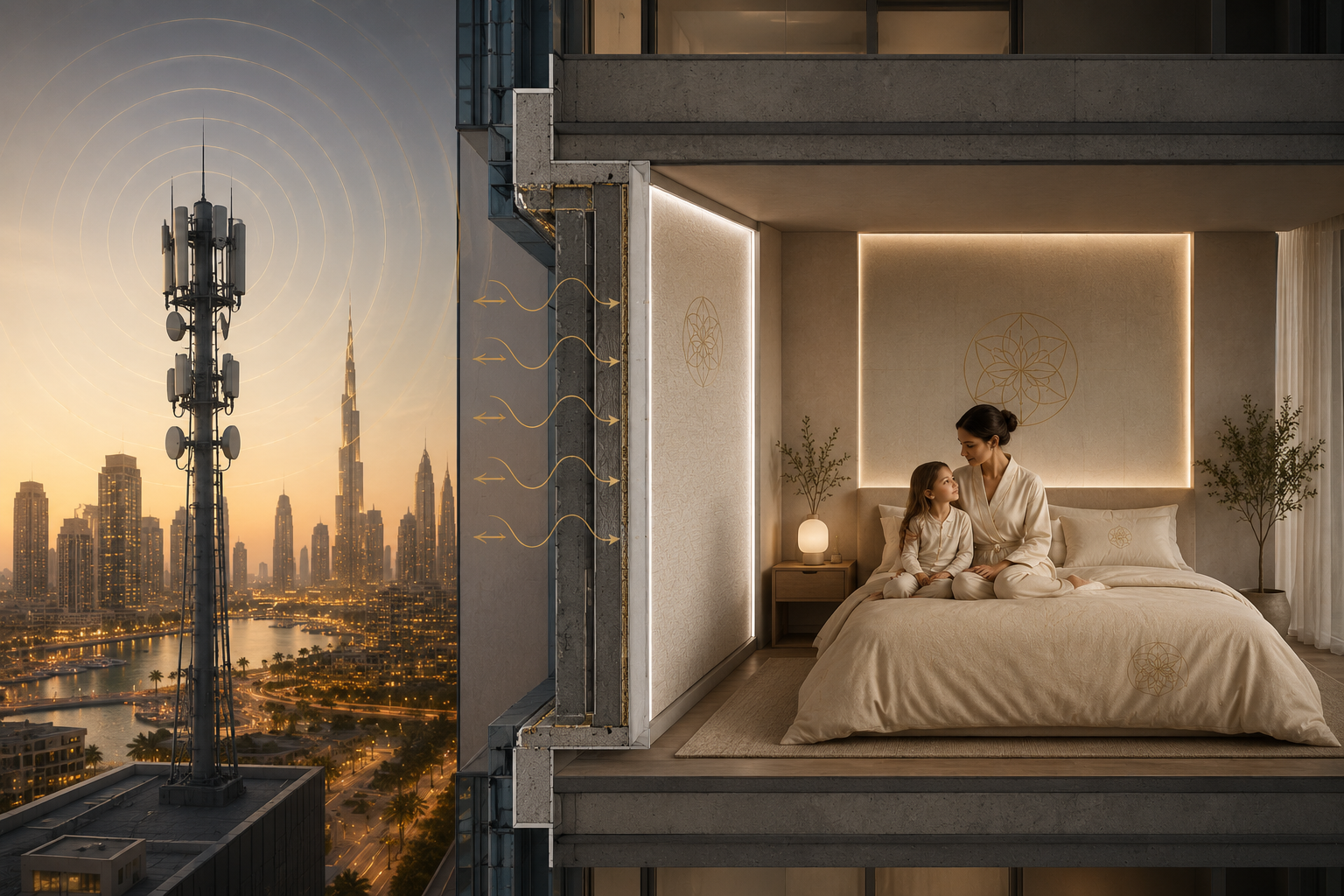
This work aims to begin in South Africa, in collaboration with local growers and university research initiatives, sourcing natural fibre in a way that contributes directly and pragmatically to culture and community.
Luphiion is early. The full architecture is being engineered now and will be proven in the lab. But the direction is set: a world where the environment itself — worn, built, and slept in — supports the body, rather than working against it.
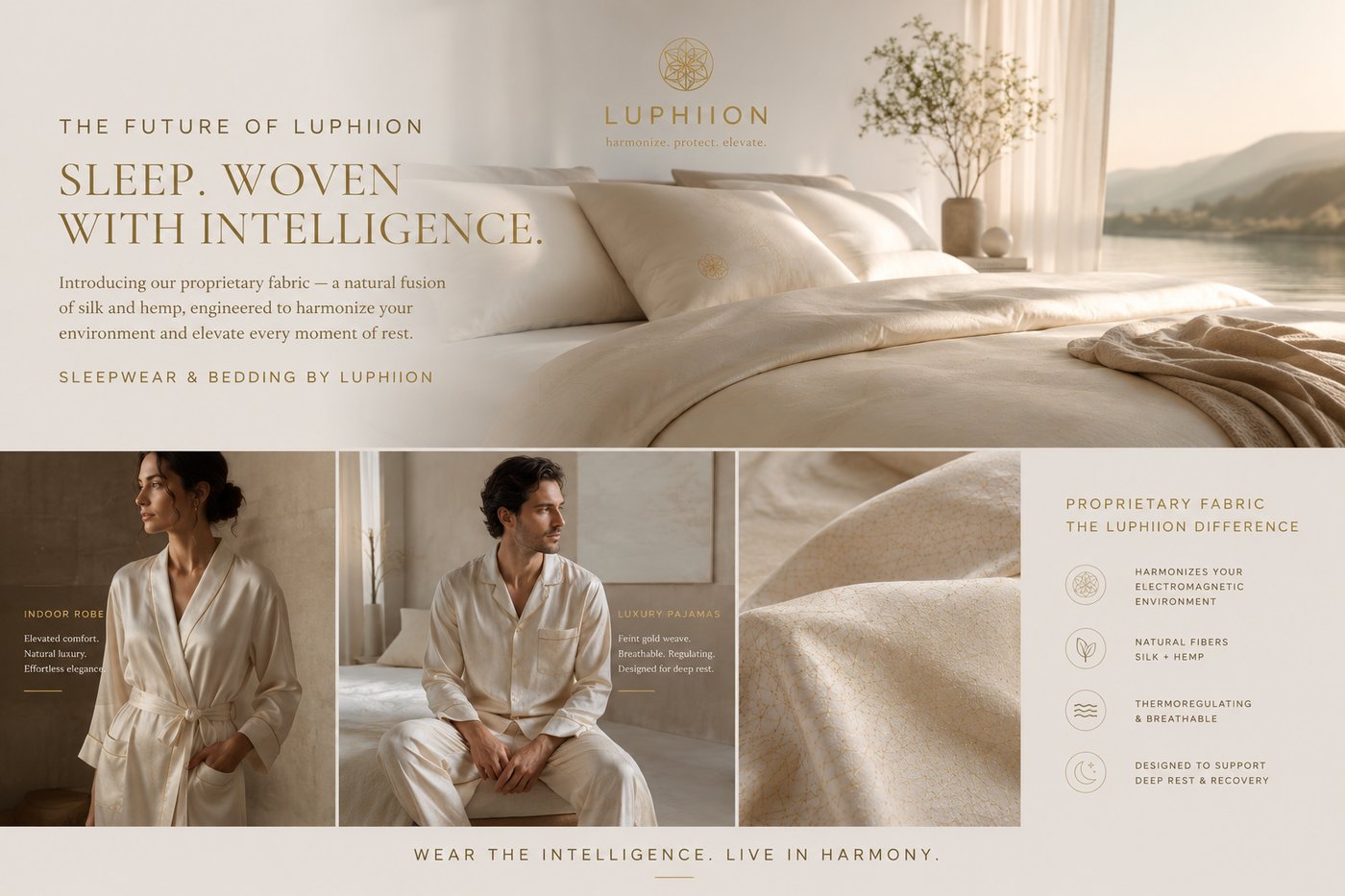
Early direction studies for the proprietary fibre applied beyond the wall and the halo — into sleepwear, loungewear, and garments worn close to the body throughout the day. Shown here as concept work, not finished product.

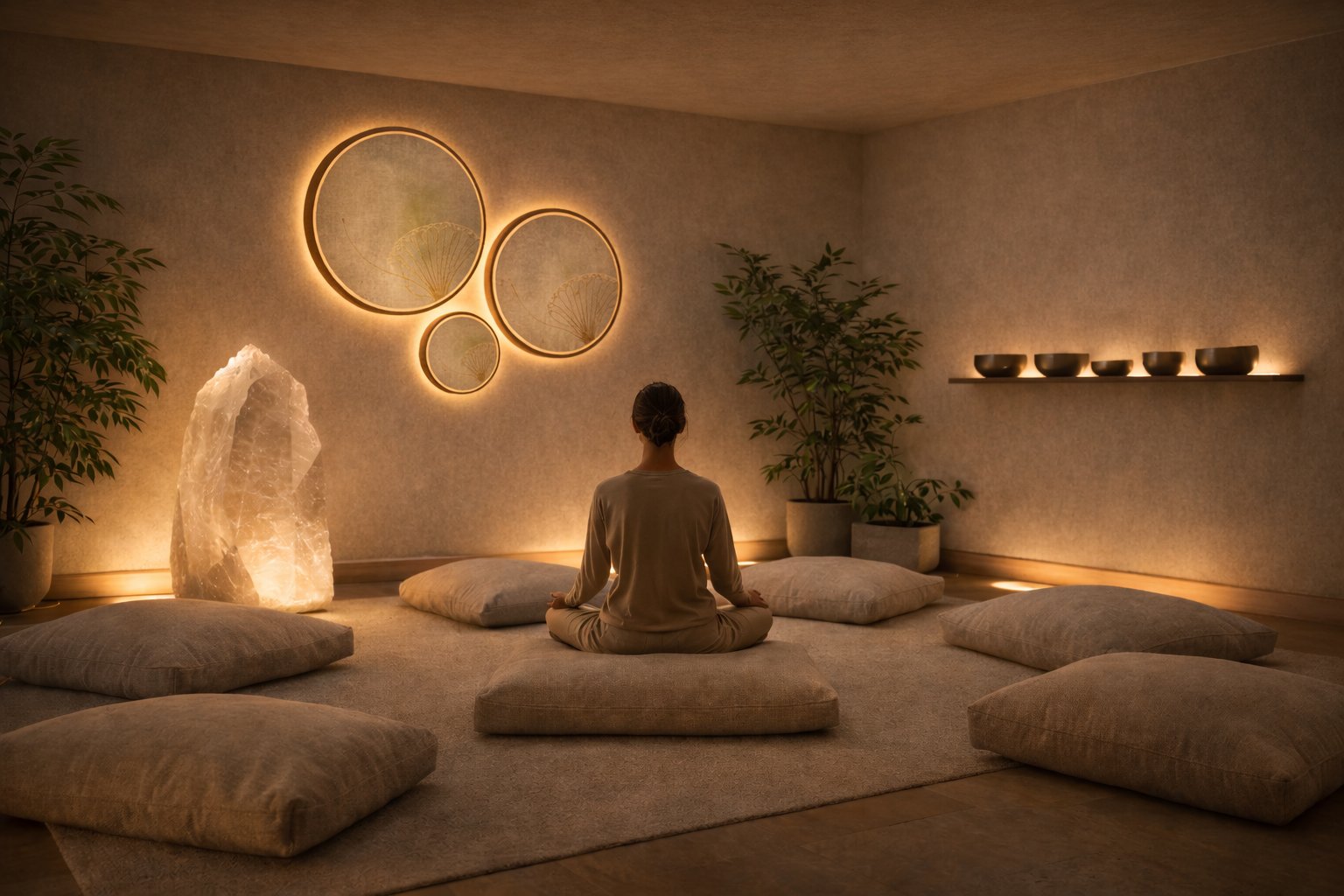
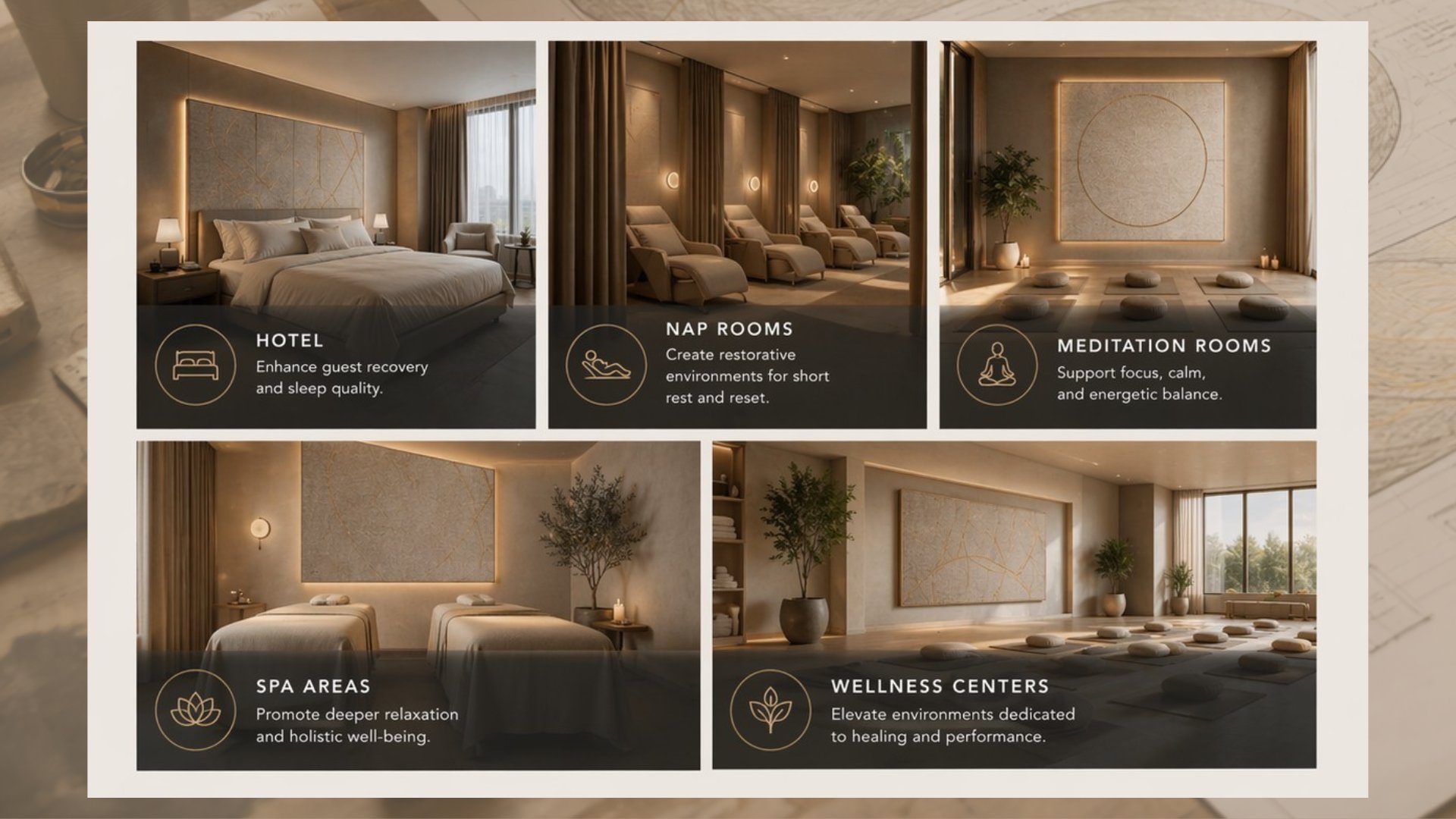
Luphiion integrates seamlessly into hotels, spas, nap rooms, meditation rooms, and wellness centres — anywhere that rest, recovery, and energetic balance matter. The system remains consistent. The expression adapts to the space.
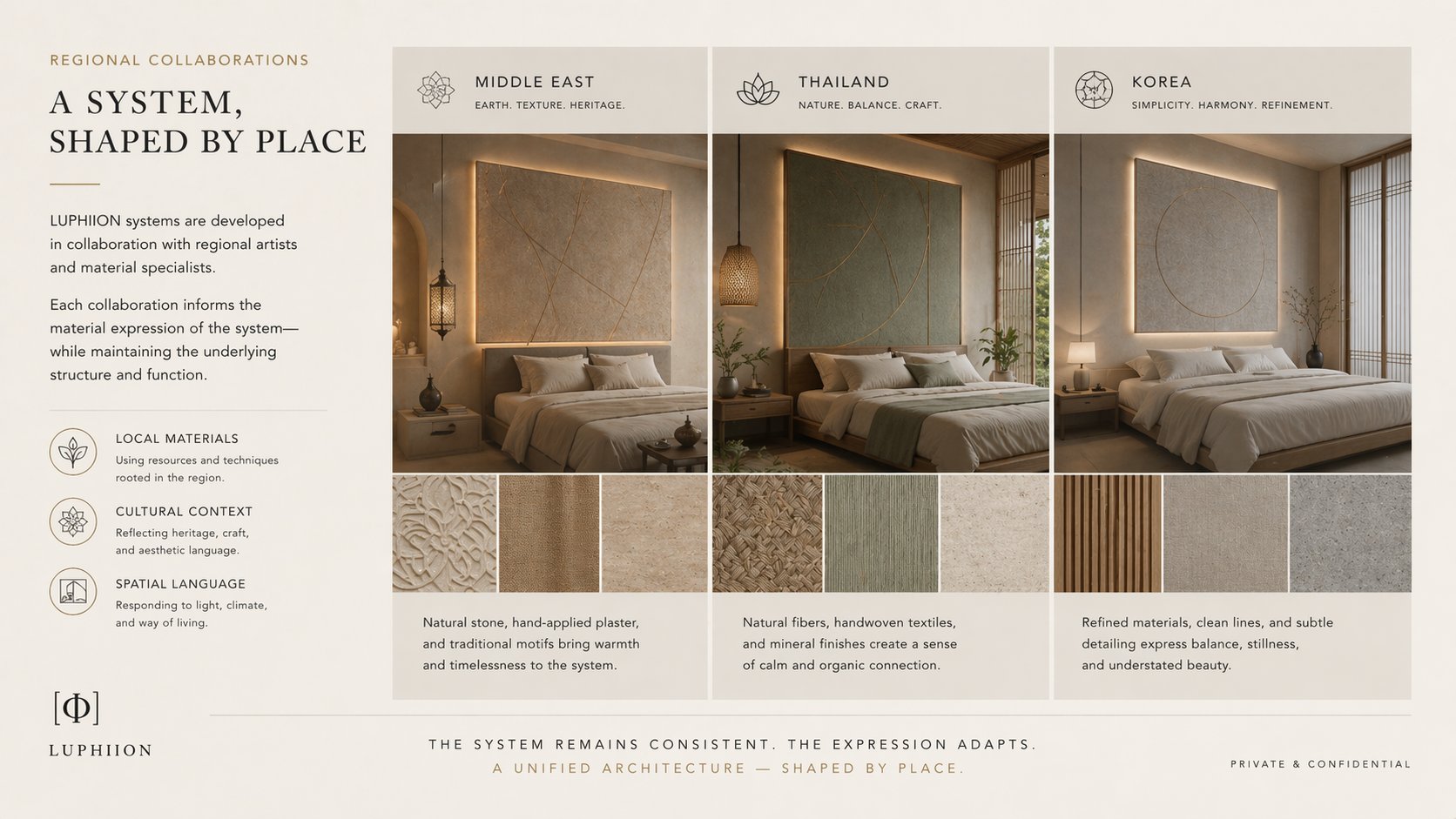

Luphiion was born from years of working closely with people navigating chronic stress, disrupted sleep, and invisible environmental stressors — including EMF sensitivity, mycotoxin exposure, and the nervous system dysregulation that follows.
What emerged was a consistent pattern: the environment was never neutral. And the bedroom — the one space meant for recovery — was often the most electrically active room in the building.
"I wanted one space in the world where people could go and truly repair." — Venus · Founder, Luphiion
Before Luphiion can be produced at scale, the foundational technology must be proven in a controlled environment. This first round of support funds the laboratory phase — developing, testing, and validating the full layered system, including the proprietary components that form the core of the IP.
"We want to prove that it works — with rigour, with data, and with the integrity that this deserves."